Adopting Christmas
Reflections on the festive period.

I love Christmas, which is unusual for someone who has no religious or cultural ties to it whatsoever. My own family never celebrated it, and growing up, the closest thing I had to Santa was Ded Moroz (Grandfather Frost), Santa’s Soviet-era/ Slavic counterpart. Instead of elves or reindeer, Ded Moroz’s help is far more realistic: his granddaughter Snegurochka (Snow Girl). The pair arrive on New Year’s Eve, leaving gifts for children at midnight — at which point the lights in the house go out momentarily, and adults place presents under the New Year tree.
When I moved to the UK aged ten, I was taken aback by how much of the calendar was devoted to Christmas. It wasn’t a day of celebration like I was used to, but months and months of build-up. My first introduction came via a class dance performance to Mariah Carey’s All I Want for Christmas Is You, the opening jingle of which still takes me back to disorienting weeks spent following instructions in a language I couldn’t understand. Then came the card exchanges, carols and hymns sung in school assemblies, and an infinite number of Christmas crackers. There were rules too: you had to watch the EastEnders’ Christmas special and avoid Brussels sprouts at all costs.
For many years in a row, I tried to bring the spirit of Christmas into my Muslim family home. I made Jamie Oliver’s roast chicken dinners from scratch, played the Now That’s What I Call Christmas album on repeat, and forced us to play boardgames. But the magic never quite took hold, primarily because I was the only one trying to make Christmas happen. I was jealous of my classmates, who participated in well-worn family rituals on the 25th and the 26th. In contrast, my family’s celebrations came a week later, in the shape of cold Russian salads and Russian state television.
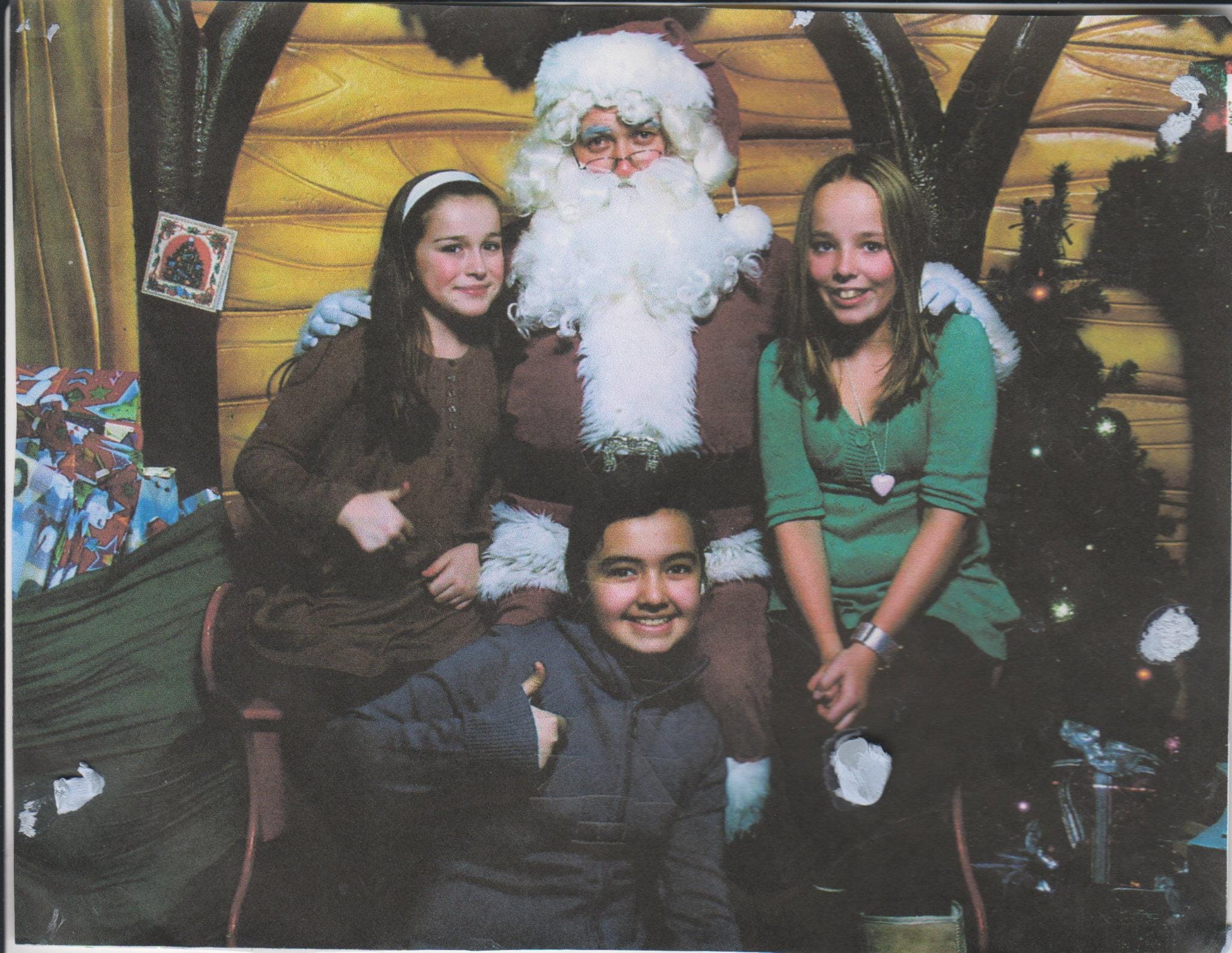
Of course, now that I’m older, I look back on those family New Year’s Eve celebrations in London with warmth in my heart. But back then — and it’s funny to write this now — life felt deeply unfair. By the time I turned fourteen, New Year’s Eve had become synonymous with WKD and Smirnoff Ice at house parties, and for many reasons, I could never join in. So not only could I no longer recreate the magic of Christmas, but I was also missing out on New Year’s Eve. I felt stuck between two worlds when all I really wanted was to be in the one my friends lived in.
When I went to university, my family moved abroad. Suddenly, I was free to accept invitations to spend Christmas at friends’ houses in Somerset, Kent, Oxford and Leeds. Over the past decade, I’ve been privileged to be folded into other people’s family traditions — seeing all sorts of tree decorations, tasting a wide array of roasts, and going on many a Boxing Day walk, in both the city and the countryside. The New Year’s Eve parties I eventually attended rarely lived up to the expectations I had built in my head, so this is the holiday I now prioritise with my family.
These days, I spend Christmas with my partner’s family. Four years ago, on Christmas Day itself, I met all of them at once. Robin didn’t want me to spend the day alone, so he invited me to his family’s dinner, even though we’d only been together a few months. It was generous and slightly scary. It was also wonderful. I’ve been celebrating with them in their south London home ever since.
As the years go on, I am leaning into the festive spirit more deliberately. I’ve long known that the magic of this season doesn’t simply happen to you — you have to choose how much of it to create, and how much to let in. This knowledge has only sharpened since loved ones have passed, amplifying my awareness of time and my own mortality. It’s easy to take the holidays for granted, but I want to be someone who makes an effort with friends and family. I want to participate in other people’s traditions and make my own. Ultimately, these are the days we will all remember when everything else begins to fade.
What I’ve been reading (and watching and listening to):
Perfection by Vincenzo Latronico. Tom and Anna are freelance creatives living in Berlin. Although they earn less than their parents did, they still manage to maintain a curated lifestyle that allows them to live comfortably above many of their peers. Yet something feels off. Though in Perfection their life seems, well… perfect, happiness always remains just out of reach, somewhere else. Perhaps it’s because their intricately decorated home can’t protect them from the realities outside – the creeping gentrification of their neighbourhood (which they themselves have contributed to), the Syrian refugee crisis, and rising living costs. Not much happens in the novel, which was shortlisted for the International Book Prize, but I think that’s precisely the point. It’s an examination of the hollowness of aesthetics over substance, and of the alienation felt by those striving to live an Instagrammable life.
Finally stuck into Evenings and Weekends by Oisín McKenna, haven’t finished yet, but can see why people were raving about it.
I watched Misery, the adaptation of the Stephen King novel, the other night, and my god, it was so creepy and thrilling. 10/10
I’ve been down with a cold, so I also watched The Great Flood on Netflix, which was very disappointing, I must say. 3/10
The Woman in Cabin 10 was watchable but a bit flat. 5/10
The Polyester Podcast has been a godsend this year as I’ve tried to keep up to date with the madness of popular culture. I’m a proud supporter of the whole publication and think you should check out their work!
If you’ve got this far, I want to wish you a restful winter break and thank you for continuing to read Growing Roots. You’ll see me in your inbox next year.
Happy holidays diyora ❤️